Ralph Duesing Architect Designing Spaces That Inspire and Endure

Ralph Duesing Architect

Designing Spaces That Inspire and Endure

Latest Articles

The Quiet Floor Plan: Why Sound Should Be a Design Material
Architectural Philosophy

The Quiet Floor Plan: Why Sound Should Be a Design Material

Light gets all the attention in residential design, but sound may shape daily life even more. This piece examines how room placement, ceiling heights, and material choices determine whether a home feels calm or chaotic — and how to plan for both gathering and retreat.
Reading Your Lot Like an Architect: The Hidden Capacity of the Ordinary Suburban Yard
Architectural Philosophy

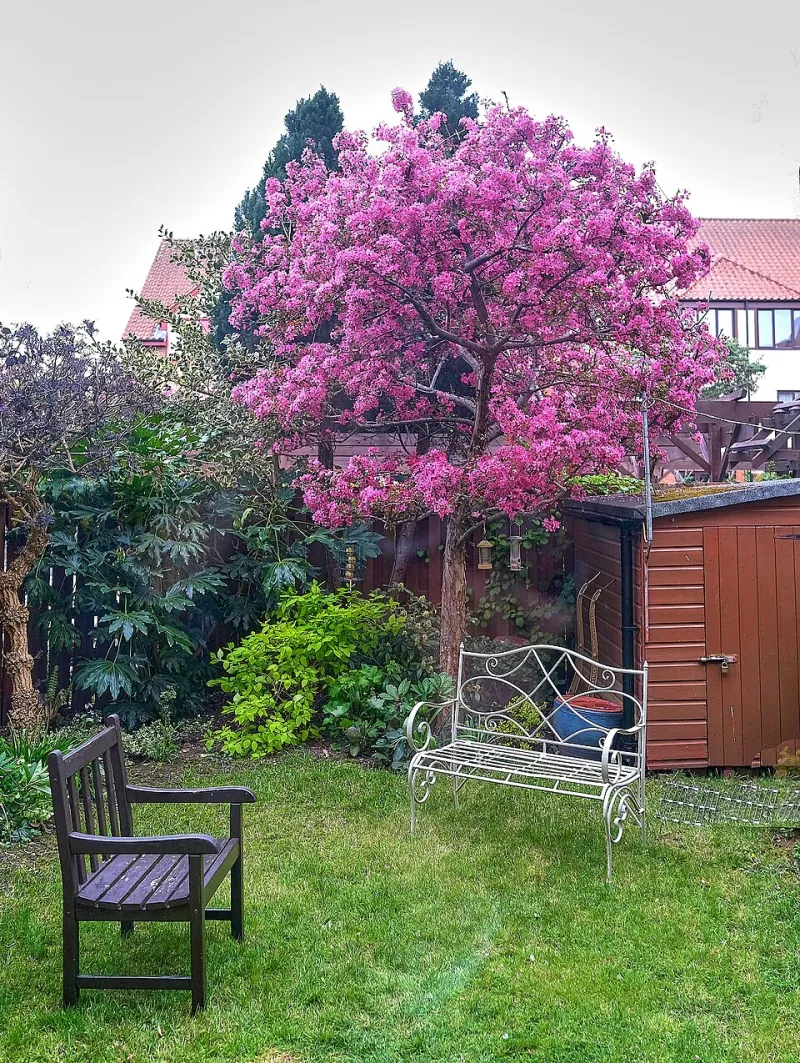
Reading Your Lot Like an Architect: The Hidden Capacity of the Ordinary Suburban Yard

Most homeowners assume their property is too small, when in truth it has simply never been planned as a whole. This piece examines how orientation, outdoor rooms, and deliberate boundaries can transform a standard American lot into a property that feels far larger than its legal description.

Beyond Curb Appeal: Building a Porch People Actually Sit On
Architectural Philosophy

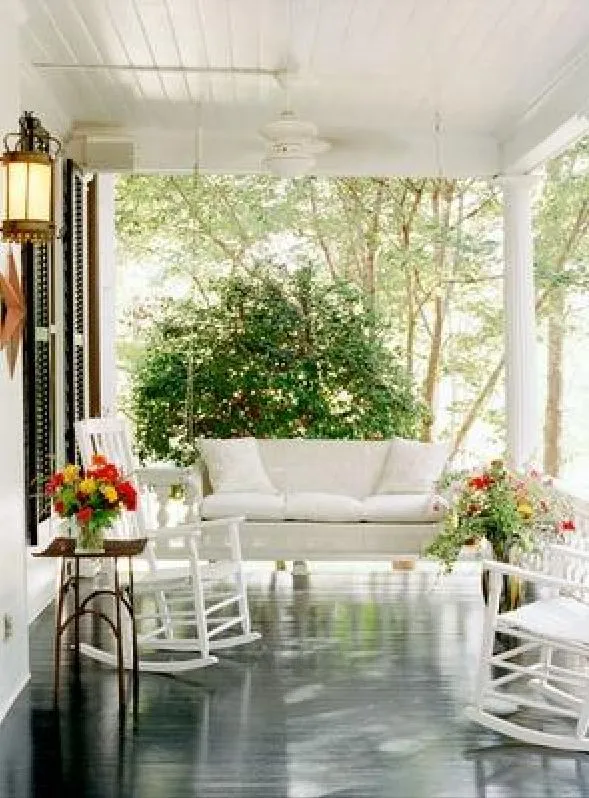
Beyond Curb Appeal: Building a Porch People Actually Sit On

The American porch is enjoying a quiet resurgence, driven less by nostalgia than by a collective hunger for decompression. But most porches are still designed to be seen rather than inhabited. Here is how proportions, orientation, and sightlines separate the porches that get used from those that merely photograph well.

Above the Storefront: Recovering the Forgotten Floor of the American Main Street
Investment & Value

Above the Storefront: Recovering the Forgotten Floor of the American Main Street

Across thousands of small American towns, the upper stories above Main Street storefronts sit vacant while housing demand climbs. This article examines the design realities — light, egress, structure — and the quiet economic case for bringing these spaces back to life.

The Unfinished Sentence: What Clients Reveal Only After the Drawings Begin
Architectural Philosophy

The Unfinished Sentence: What Clients Reveal Only After the Drawings Begin

The most consequential design decisions rarely surface in the first meeting. They emerge weeks later, when clients stop reciting wish lists and start admitting how they actually live. This piece argues for a deliberate pause before final drawings — and explains why the second conversation is where architecture truly begins.

Arrive Empty-Handed: The Case for Clients Who Haven't Figured It Out Yet
Architectural Philosophy

Arrive Empty-Handed: The Case for Clients Who Haven't Figured It Out Yet

Many Americans hesitate to hire an architect because they believe they must first arrive with a finished vision. This piece argues the opposite: vague clients, guided well, often produce the most original buildings. Here is how a good architect draws out what you cannot yet name.

Where the Mail Piles Up: Reading a Household's True Priorities Before Drawing a Single Wall
Architectural Philosophy

Where the Mail Piles Up: Reading a Household's True Priorities Before Drawing a Single Wall

Long before a floor plan exists, a family's daily routines have already written one. This piece explores why the most honest design briefs are found in observation — the cluttered counters, the homework corners, the dinner table that holds everyone an hour longer than it should.

Four Hundred Square Feet, Reconsidered: Turning the American Garage Into the Room Your Home Is Missing
Investment & Value

Four Hundred Square Feet, Reconsidered: Turning the American Garage Into the Room Your Home Is Missing

The garage may be the most expensive storage shed in America. With thoughtful design and careful attention to structure, zoning, and finish, those 400 square feet can become a family room, studio, or guest suite—often at a fraction of the cost of an addition.

Rain Before Renderings: The Case for Falling in Love With a Site on Its Worst Day
Architectural Philosophy

Rain Before Renderings: The Case for Falling in Love With a Site on Its Worst Day

Most people visit a potential homesite on a bright, mild afternoon—then act surprised when the property floods, bakes, or howls the rest of the year. We recommend a different ritual: stand on the land in a downpour, a heat wave, and a gray winter dusk before you sign anything.

What Your Bookshelf Knows: Reading the Architecture of Everyday Life
Architectural Philosophy

What Your Bookshelf Knows: Reading the Architecture of Everyday Life

Mood boards tell us what clients aspire to; daily routines tell us what they actually need. Here is why our intake process looks past the Pinterest board and into the habits, rhythms, and objects that quietly define how a space should work.

Ground First, Building Second: Why the Landscape Deserves a Seat at the Table
Architectural Philosophy

Ground First, Building Second: Why the Landscape Deserves a Seat at the Table

The most successful buildings in America share a quiet secret: they were designed in conversation with their sites, not in spite of them. Here is why inviting a landscape designer into the process early — before grading, before tree removal, before the foundation is set — pays dividends in cost, comfort, and character.

Below Grade, Above Expectation: Unlocking the Hidden Square Footage Already in Your Home
Investment & Value

Below Grade, Above Expectation: Unlocking the Hidden Square Footage Already in Your Home

Across America, the garage, attic, and basement are being reimagined as some of the most valuable rooms in the house. We examine the design realities of converting forgotten square footage — and offer a framework for deciding which underutilized space holds the greatest promise for your home.

Saying What You Really Think: A Client's Guide to Design Reviews That Work
Architectural Philosophy

Saying What You Really Think: A Client's Guide to Design Reviews That Work

Most clients hold back during design presentations, worried their instincts will be dismissed as unsophisticated. But honest, well-framed feedback is not an obstacle to good architecture—it is part of how good architecture gets made. Here is how to speak up productively when a design doesn't feel right.

Growing Up, Gracefully: The Compositional Rules That Separate Good Additions From Bad Ones
Architectural Philosophy

Growing Up, Gracefully: The Compositional Rules That Separate Good Additions From Bad Ones

Too many American second-story additions read as afterthoughts — boxes perched atop homes they were never designed to belong to. This article examines the compositional principles of massing, roofline, and window rhythm that determine whether an addition completes a house or compromises it, and offers a practical checklist for homeowners before they sign a contract.

Architectural Philosophy

Ink Before Pixels: What the Sketchbook Knows That the Software Cannot

Photorealistic renderings can now be produced in seconds, yet the hand sketch remains the most honest instrument in an architect's bag. Ralph Duesing reflects on why the drawn line — imperfect, provisional, and personal — still anchors the earliest and most important conversations with clients.

Investment & Value

Framing Day to Finish: A Client's Guide to Walking Your Project Mid-Construction

Visiting your project during construction can be both thrilling and unsettling. This practical guide explains what belongs on your checklist, what is best left to the professionals, and how to raise questions without slowing the work.

Presence Over Prestige: The Quiet Revolution Rewriting the American Office
Architectural Philosophy

Presence Over Prestige: The Quiet Revolution Rewriting the American Office

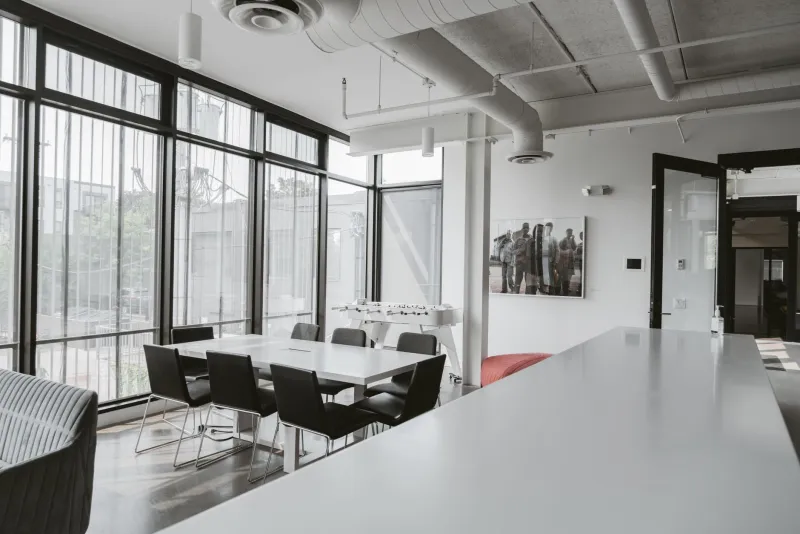
The glass-walled corner suite once stood as the ultimate symbol of professional arrival. Hybrid work has stripped that hierarchy bare, and the offices worth building today are those designed around why people show up — not who outranks whom.

The Sun Is the One Material You Don't Have to Buy
Architectural Philosophy

The Sun Is the One Material You Don't Have to Buy

Every building site in America receives the same free delivery of sunlight each morning, yet most homes and offices waste it. Here is how thoughtful orientation, window placement, and daylighting strategy turn the sun into a working building material — one that lowers energy bills and lifts the people inside.

Twelve Questions to Ask Before You Sign With an Architect
Investment & Value

Twelve Questions to Ask Before You Sign With an Architect

Hiring an architect is one of the most consequential financial decisions a homeowner or small business owner will make, yet few know what to ask before signing a contract. This field guide offers twelve questions, what strong answers sound like, and the red flags that should give you pause.

Before the First Sketch: What Really Happens When You Sit Down With an Architect
Architectural Philosophy

Before the First Sketch: What Really Happens When You Sit Down With an Architect

For many homeowners and small business owners, hiring an architect feels like an unfamiliar ritual reserved for the wealthy. This walkthrough of a first meeting—what to bring, what to ask, and what it should cost—shows that the conversation is far more approachable than most expect.