Ralph Duesing Architect Designing Spaces That Inspire and Endure

Ralph Duesing Architect

Designing Spaces That Inspire and Endure

Latest Articles

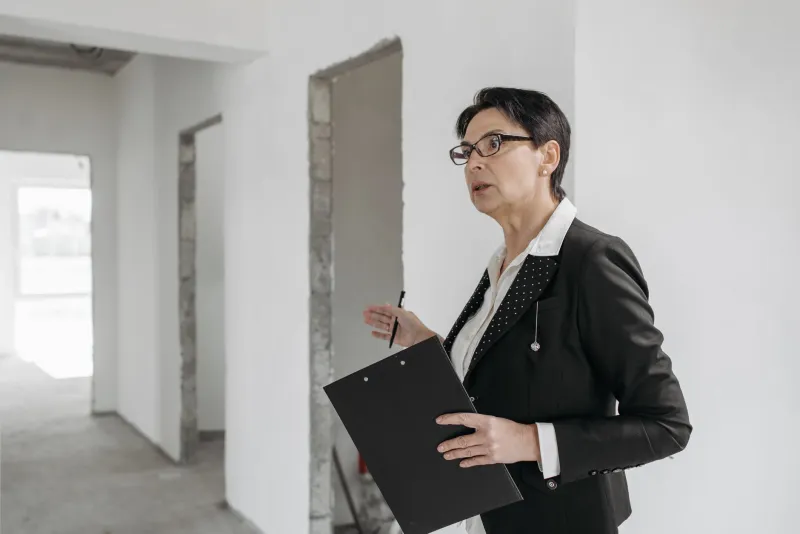
Reading the Land: An Hour on Site Before a Single Line Is Drawn
Architectural Philosophy

Reading the Land: An Hour on Site Before a Single Line Is Drawn

Long before sketches or software, an architect's most important work happens on foot. This walkthrough of a typical first site visit reveals how sunlight, slope, and surroundings quietly shape every design decision to come.
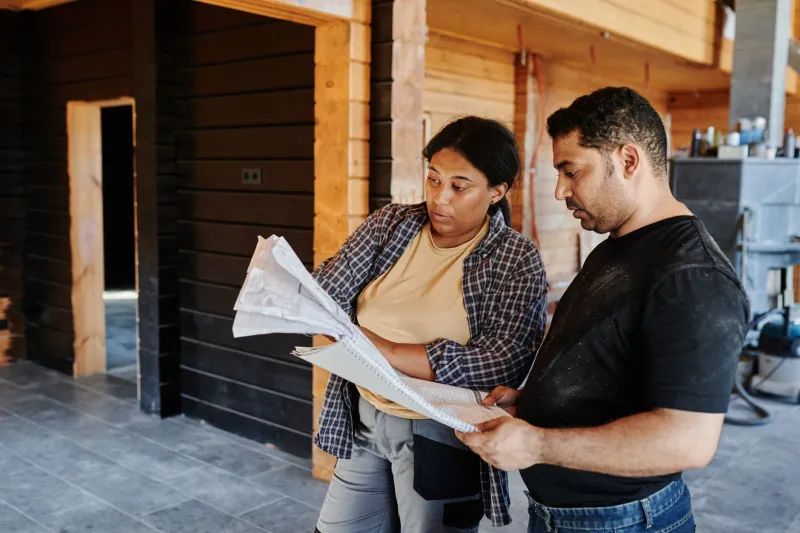
Before the Blueprints: How to Decide Whether to Renovate, Expand, or Rebuild
Investment & Value

Before the Blueprints: How to Decide Whether to Renovate, Expand, or Rebuild

Every significant property investment begins with a question that has no obvious answer: work with what exists, build onto it, or begin again? This guide walks through the honest trade-offs of each path and offers the questions worth asking before committing.

Rooms That Speak: What Floor Plan Decisions Reveal About the People Who Live and Work Within Them
Architectural Philosophy

Rooms That Speak: What Floor Plan Decisions Reveal About the People Who Live and Work Within Them

Every floor plan encodes a set of values long before a single person crosses its threshold. The placement of a kitchen, the width of a corridor, the adjacency of a home office to a living room — each decision carries social meaning that shapes behavior for decades. This article examines how spatial layouts function as silent architects of human interaction.

When Design Expires: The Long-Term Cost of Chasing Architectural Trends
Investment & Value

When Design Expires: The Long-Term Cost of Chasing Architectural Trends

Trend-driven design may generate immediate excitement, but the financial and functional costs of spaces built around fleeting aesthetics often reveal themselves within a single decade. This piece examines how the pursuit of visual novelty undermines long-term property value and livability, and why architecturally grounded work continues to outperform fast design over time.

Building Ahead of the Storm: Architecture Strategies for a Changing American Climate
Architectural Philosophy

Building Ahead of the Storm: Architecture Strategies for a Changing American Climate

American homes and workplaces face mounting pressure from intensifying weather events, shifting temperature patterns, and the cumulative effects of a changing climate. Resilient design is no longer a specialty consideration — it is a foundational responsibility of contemporary architecture, and the strategies available to architects today are both practically effective and economically sound.

What Buildings Remember: The Philosophy of Materials That Age With Dignity
Architectural Philosophy

What Buildings Remember: The Philosophy of Materials That Age With Dignity

The most enduring buildings are not those that resist time, but those designed to receive it gracefully. A thoughtful approach to material selection transforms the inevitable processes of weathering and wear into sources of beauty, meaning, and architectural character that no new construction can replicate.

Architecture Without Assumptions: Building Spaces That Remain Useful as Life Changes
Investment & Value

Architecture Without Assumptions: Building Spaces That Remain Useful as Life Changes

A building's long-term value is inseparable from its capacity to absorb change without expensive intervention. Through deliberate strategies in layout, structure, and systems design, architects can create spaces that adapt gracefully to shifts in how people live and work—protecting both the client's investment and the building's relevance across decades.

The Space Between: Designing Entryways and Transitions That Shape How People Experience a Building
Architectural Philosophy

The Space Between: Designing Entryways and Transitions That Shape How People Experience a Building

The moments of passage between one space and another—the approach to a front door, the corridor that separates a lobby from a workspace, the threshold between a private garden and a public street—do more to shape human experience than most clients initially appreciate. Thoughtfully designed transitions reduce disorientation, signal purpose, and create the psychological comfort that makes a building feel genuinely inhabited rather than merely occupied.

Embodied Carbon and the Case for Keeping What We Have Built
Architectural Philosophy

Embodied Carbon and the Case for Keeping What We Have Built

When a developer surveys an aging office park or a homeowner contemplates tearing down a mid-century ranch, the instinct to start fresh can feel compelling. Yet the environmental ledger of demolition and new construction is far heavier than it appears. A rigorous look at embodied carbon, material waste, and lifecycle analysis reveals why intelligent retrofitting frequently represents the more responsible—and enduring—path forward.

From Vacant to Vibrant: The Design Principles Behind Successful Adaptive Reuse Projects
Architectural Philosophy

From Vacant to Vibrant: The Design Principles Behind Successful Adaptive Reuse Projects

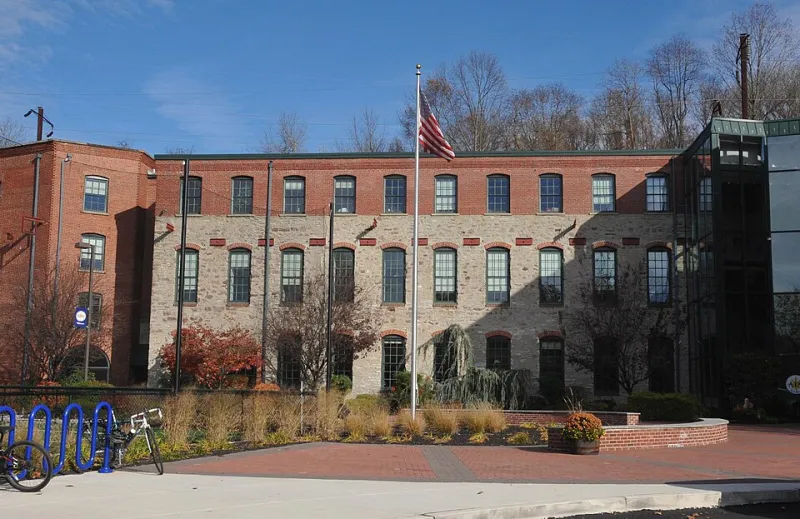
Across the United States, a quiet revolution is transforming idle warehouses, shuttered office parks, and dormant industrial corridors into dynamic mixed-use communities. The process demands more than aesthetic ambition — it requires a disciplined methodology that honors structural heritage while engineering entirely new social and economic possibilities. This article examines the principles and practical strategies that guide successful adaptive reuse at every stage of the design process.

The Architecture of Retreat: Designing Dedicated Personal Spaces Within the Modern Home
Investment & Value

The Architecture of Retreat: Designing Dedicated Personal Spaces Within the Modern Home

The contemporary American home has been thoughtfully planned around communal living and shared utility, yet it frequently neglects one of the most fundamental human needs: a space that belongs entirely to the individual. Integrating dedicated personal retreats into residential design — spaces for creative work, quiet reflection, or physical wellness — is not an indulgence but a sound architectural investment in long-term quality of life. This article makes the case for why every home deserves at

The Architecture of Memory: Why America's Oldest Buildings Deserve a Second Life
Investment & Value

The Architecture of Memory: Why America's Oldest Buildings Deserve a Second Life

Across the United States, thousands of warehouses, factories, churches, and civic structures stand underutilized or vacant—repositories of craftsmanship and community history that conventional development economics have struggled to justify preserving. Adaptive reuse offers a compelling alternative: a design-forward strategy that honors what was built while making it viable for what is needed. Ralph Duesing Architect examines why transforming existing structures is not merely an act of preservat

Designing for the Ear: How Acoustic Architecture Is Reshaping the Way We Inhabit Space
Architectural Philosophy

Designing for the Ear: How Acoustic Architecture Is Reshaping the Way We Inhabit Space

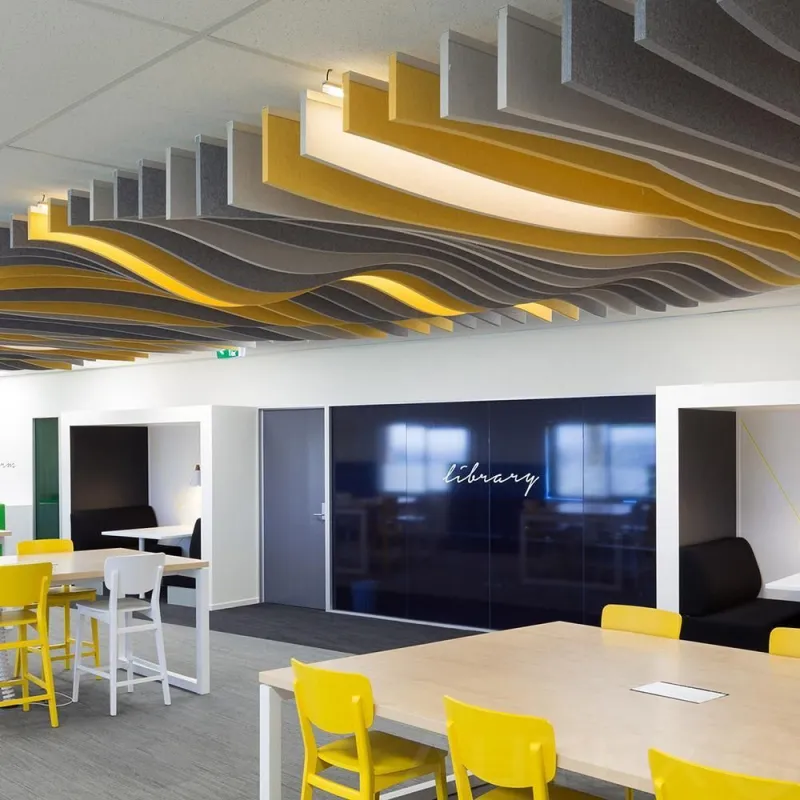
Architecture has long been judged by what we see, yet the spaces that endure—that genuinely serve the people within them—are increasingly defined by what we hear. As acoustic engineering moves from a specialty discipline to a foundational design principle, forward-thinking architects are reconsidering how every surface, volume, and material choice shapes the sonic character of a room. At Ralph Duesing Architect, we believe a space is not truly complete until it sounds as considered as it looks.

Built for the Mind: How Thoughtful Architecture Quietly Shapes the Way We Feel and Function
Architectural Philosophy

Built for the Mind: How Thoughtful Architecture Quietly Shapes the Way We Feel and Function

The spaces we inhabit do far more than shelter us — they influence how we think, how we feel, and how productively we move through our days. Decades of environmental psychology research confirm that architectural decisions, from ceiling proportions to daylighting strategies, carry measurable consequences for occupant wellbeing. At Ralph Duesing Architect, every design decision begins with a fundamental question: how will this space serve the people inside it?

The 30-Year Dividend: Making the Financial Case for Enduring Architectural Quality
Investment & Value

The 30-Year Dividend: Making the Financial Case for Enduring Architectural Quality

In an era of compressed construction timelines and relentless cost pressure, the argument for investing in quality architectural design can seem counterintuitive — until you examine what buildings actually cost over their full lifespans. Material selection, adaptive planning, and timeless design judgment are not premium indulgences; they are long-term financial strategies that protect property values and reduce the compounding expense of deferred renovation.