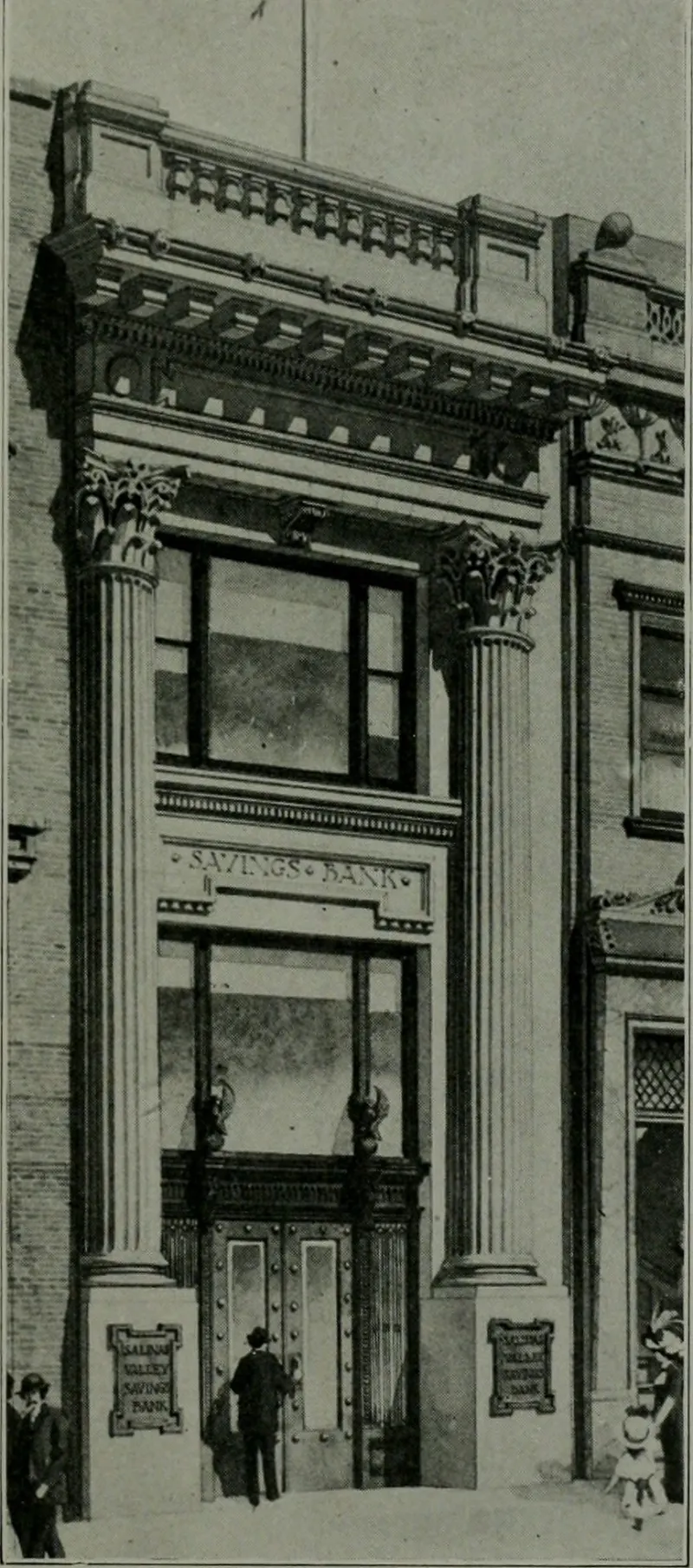
Before the Blueprints: How to Decide Whether to Renovate, Expand, or Rebuild
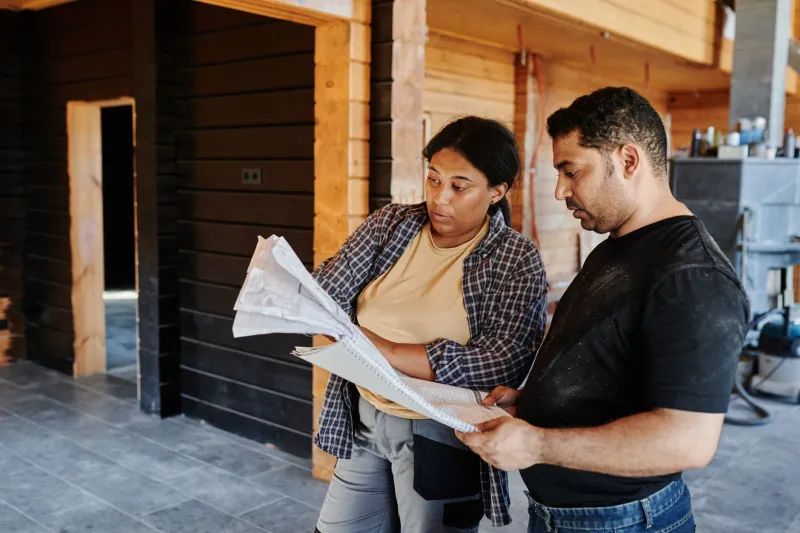
Every property owner eventually faces the same fork in the road. The house no longer fits the family. The office feels cramped for a growing team. The building works, but barely. The question that follows — renovate, add on, or start over — is rarely answered by intuition alone. It deserves the same rigor one would bring to any major financial decision, because that is precisely what it is.
At our practice, we walk clients through this crossroads regularly, and the honest answer is almost always: it depends. But it depends on knowable things, and those things can be examined methodically.
The Case for Working With What Exists
Renovation is often the most conservative path financially, but not always. Existing structures can hide expensive surprises — outdated wiring, undersized foundations, moisture damage behind finished walls. A thorough assessment before design begins is not a formality; it is the foundation of a realistic budget.
What renovation offers that the other paths cannot is continuity. Character, craftsmanship, and location are frequently irreplaceable. A 1920s foursquare in a walkable neighborhood or a mid-century commercial building with good bones may hold value that no new construction can replicate at any price. When the existing structure is fundamentally sound and its shortcomings are cosmetic or spatial rather than structural, renovation preserves that value while addressing what no longer serves.
When an Addition Makes Sense
Adding on occupies a middle ground — and a middle path in cost and disruption. It suits owners who like where they are, need more than the current footprint allows, and have land to give. A well-designed addition can resolve a decade of frustration: the kitchen that never worked, the practice that outgrew its suite, the home that needs a first-floor primary suite.
The trade-offs deserve clear eyes. Additions must negotiate with zoning setbacks, lot coverage limits, and often historic district review. They must also integrate — structurally, thermally, and aesthetically — with the original building. A poorly resolved addition can diminish the whole. A thoughtful one can make an existing building feel newly complete.
The Case for Starting Over
Demolition and new construction carry the highest upfront cost and the longest timeline, but they also offer a blank slate. When a building is structurally compromised, functionally obsolete, or sits on land far more valuable than the structure itself, rebuilding may be the most rational investment. New construction also delivers modern energy performance, current code compliance, and lower maintenance obligations from day one — advantages that compound over decades of ownership.
There is an environmental dimension as well. Demolition sends material to landfill and discards embodied carbon. We weigh this seriously, and it is one reason we advocate for rebuild only when renovation truly cannot achieve the client's goals.
A Framework for the Decision
Before committing to any path, we encourage owners to sit with a few questions:
- What is the actual problem? Distinguish between what the building lacks and what a change in circumstances has created. Some problems are spatial; others are solved by reorganizing space already owned.
- What does the site allow? Zoning, setbacks, easements, and lot coverage will shape every option's feasibility before cost even enters the conversation.
- What is the total cost of disruption? Renovation of an occupied home or business carries hidden costs in temporary relocation, lost productivity, and patience.
- What will this property be worth after? Consider the improvement against the neighborhood's ceiling, not the owner's wish list.
- What is the timeline tolerance? New construction typically takes longer but proceeds more predictably than renovation, where discovery follows discovery can extend schedules.
Bringing an Architect In Early
Perhaps the most common mistake we observe is owners committing to a path before seeking professional counsel. An architect engaged early can evaluate the structure, review zoning constraints, and model the costs of each option before emotional or financial momentum narrows the field. Sometimes that early analysis reveals that the modest renovation a client envisioned carries a price tag approaching an addition. Occasionally it reveals the opposite — that the building they were ready to abandon simply needed a smarter plan.
The right answer is rarely the cheapest one on paper. It is the one that aligns the property's real constraints with the owner's long-term goals, and that holds its value not just at resale, but in daily use for years to come. That is a question worth answering carefully, before the first line is drawn.