When Design Expires: The Long-Term Cost of Chasing Architectural Trends
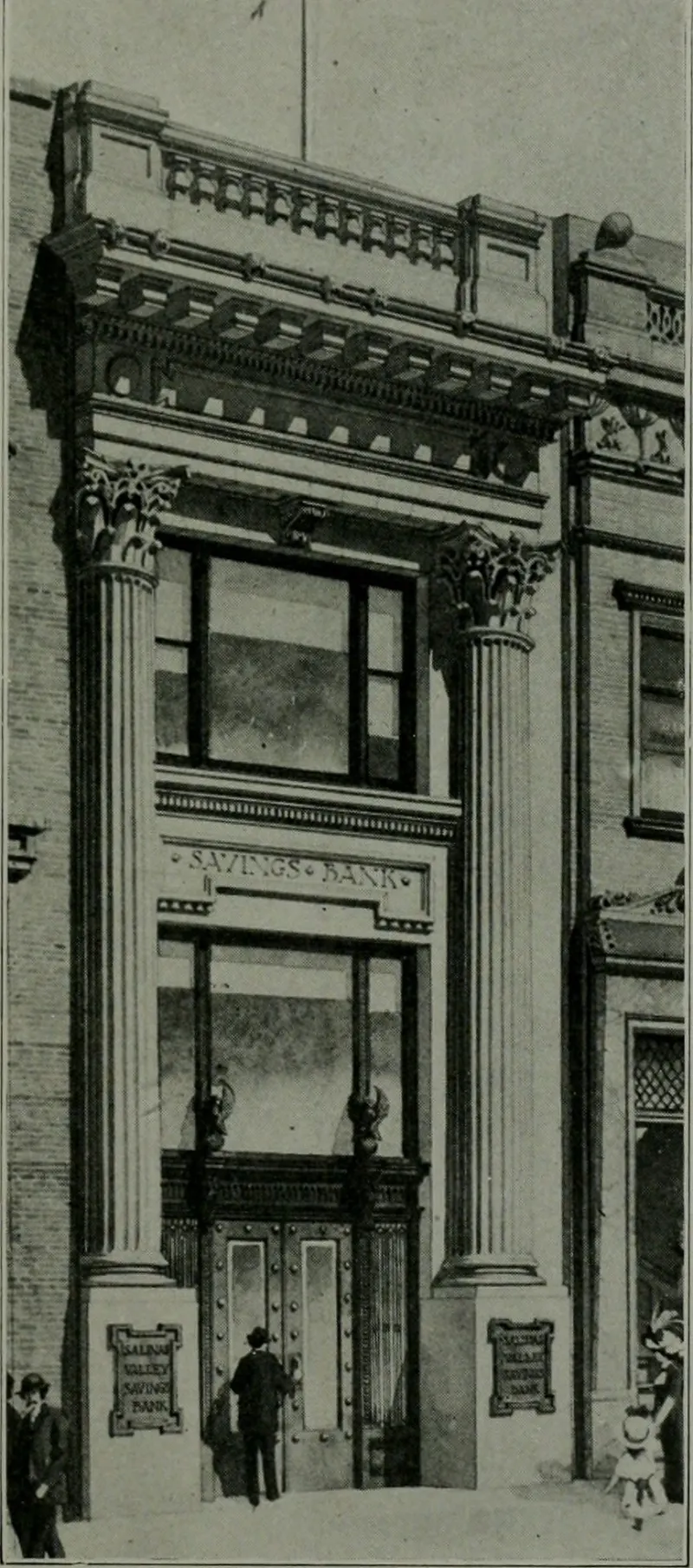
Photo: Internet Archive Book Images, No restrictions, via Wikimedia Commons
The Shelf Life of a Trend
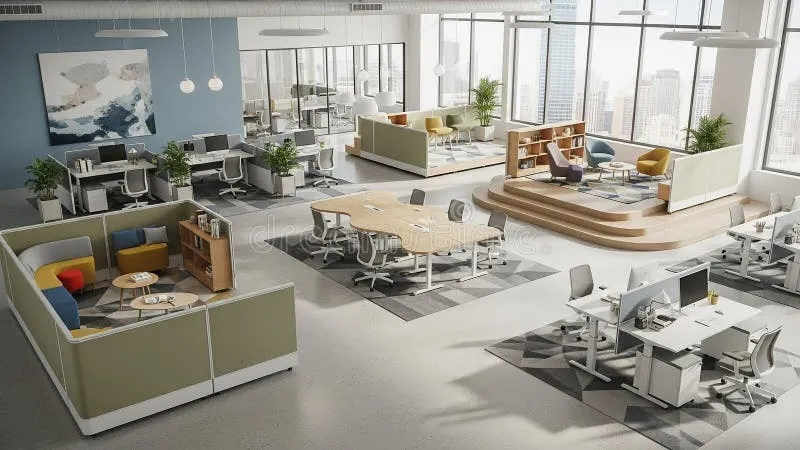
There is a particular kind of regret that arrives not in the immediate aftermath of a decision, but years later, when the choices that once felt bold begin to feel burdensome. In architecture, this experience is increasingly common. Homeowners who invested heavily in open-plan kitchens dominated by waterfall-edge stone islands, or commercial tenants who fitted out offices with exposed Edison bulbs and reclaimed barn wood, are discovering that what read as sophisticated five years ago now reads as dated — and that updating it costs far more than they anticipated.
The pressure to produce spaces that photograph well has reshaped how many buildings are designed and delivered in the United States. Social platforms reward visual novelty. Clients arrive at initial consultations with curated image boards assembled from lifestyle accounts and shelter publications. The aspiration is understandable. But the architecture that results from optimizing a space for a photograph rather than for lived experience is frequently architecture that fails its occupants within a single decade.
What "Trend-Forward" Actually Costs
Consider a retail development completed in the mid-2010s in a mid-sized American city. The developer, eager to attract millennial consumers, invested substantially in a design language that emphasized industrial finishes: polished concrete floors, exposed structural steel, open ceilings with visible ductwork. At the time of opening, the project attracted significant press coverage and strong initial leasing interest.
Within seven years, several of those original tenants had departed. The aesthetic, once a differentiator, had become ubiquitous — replicated in strip malls and food halls across the country until it no longer conveyed the distinction it once had. More critically, the design choices that made the space look compelling in photographs made it uncomfortable to occupy. The acoustic performance of hard, reflective surfaces was poor. The thermal performance of exposed ceilings drove energy costs upward. Prospective tenants began requesting build-out allowances to address conditions the original design had created.
This is not an isolated case. Residential clients who embraced the all-white kitchen aesthetic of the early 2010s — white cabinets, white countertops, white subway tile — are now contending with a resale market that views those spaces as requiring update. The cost of that update, in kitchens that were themselves renovated less than a decade ago, is not trivial. In many cases, the original renovation investment has not only failed to appreciate but has actively complicated the property's marketability.
The False Economy of the Visually Immediate
Trend-driven design operates on a logic that is superficially persuasive: capture attention now, generate value now, and address future obsolescence when it arrives. The difficulty is that architectural decisions are not easily reversed. A structural wall removed to create an open floor plan cannot be economically restored. Cladding systems selected for their appearance rather than their performance degrade in ways that become expensive to remediate. Materials chosen for their visual effect — reclaimed wood exposed to moisture, for instance, or polished concrete in climates that experience freeze-thaw cycles — fail on timelines that are well understood in advance but frequently ignored in the pursuit of a look.
The financial implications extend beyond renovation costs. Insurance assessors, commercial appraisers, and residential real estate professionals are increasingly sophisticated in their evaluation of design quality versus design novelty. Buildings whose core systems and spatial logic remain sound command consistent valuations across market cycles. Buildings whose primary claim to value is aesthetic currency tend to experience sharper depreciation when that currency devalues.
What Enduring Architecture Does Differently
Architecturally grounded work does not ignore aesthetics. The distinction lies in the relationship between appearance and substance. A building designed with genuine attention to proportion, material performance, spatial sequence, and site response will look considered in twenty years because the qualities that made it look considered were not borrowed from a trend cycle — they were derived from principles that do not expire.
Consider the residential work of American architects who built in the postwar decades with an emphasis on honest material expression, careful orientation, and spatial efficiency: those homes, properly maintained, remain not only livable but genuinely desirable. Their value has appreciated not despite their age but in part because of the qualities their age reveals. The wood has acquired patina. The stone has settled into the landscape. The proportions, which were never fashionable in the narrow sense, have simply continued to be correct.
The same logic applies at the commercial scale. Office buildings designed with generous floor-to-ceiling heights, flexible structural bays, and durable envelope systems have demonstrated a capacity for adaptation that trend-driven buildings cannot match. They have absorbed successive generations of tenant improvement without structural compromise, and they have maintained their position in their respective markets through cycles that have rendered more fashionable competitors obsolete.
A Different Standard for Design Decisions
The question that should govern every significant design decision is not whether a choice will look compelling in a photograph taken this year. It is whether the choice will serve the building's occupants, support the building's systems, and hold its meaning across decades of use and change.
This is a more demanding standard. It requires resisting the pull of aesthetic consensus, explaining to clients why the material that performs well over time may not be the material that generates the most immediate excitement, and accepting that work designed to endure will not always generate the kind of immediate attention that trend-forward projects attract.
But the buildings that result from that standard are the ones that clients return to with gratitude rather than regret. They are the ones that appraise well, lease consistently, and require intervention on their own terms rather than on the terms dictated by fashion's retreat. In architecture, as in most serious endeavors, the work that is built to last is the work that ultimately justifies the investment made in it.