Reading the Land: An Hour on Site Before a Single Line Is Drawn
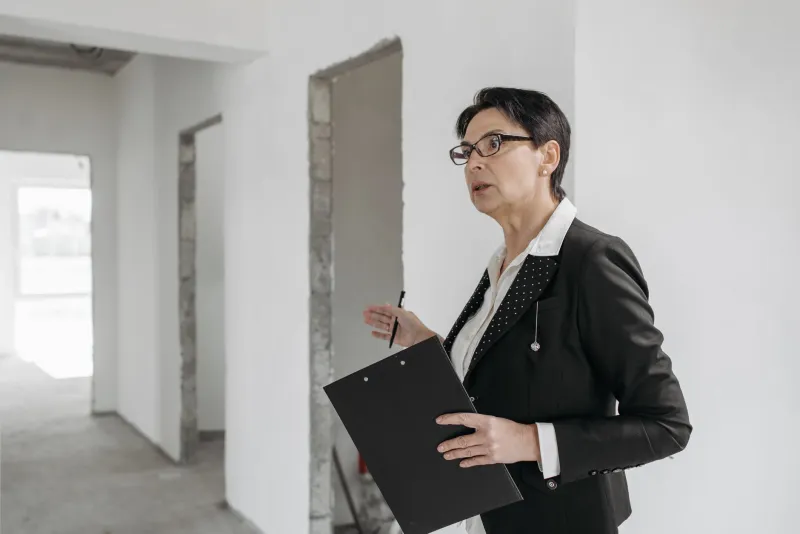
The most consequential hour of any project often occurs before a client has signed a contract, before a single measurement has been logged, and long before anything appears on paper. It is the first walkthrough of the site — an unhurried, deliberate act of observation that determines far more about a building's success than any drafting session that follows.
At Ralph Duesing Architect, we treat this initial visit as a form of listening. The land speaks first; our job is to pay attention.
The Walk In Counts
The design process begins in the parking area, not at the front door. How a visitor arrives — the angle of approach, what they see first, where the eye is drawn — establishes the experiential sequence a future building must either honor or reshape. On a recent residential site in the rolling terrain outside Nashville, the approach from the road offered a long, framed view of a ridge line to the west. That accidental gift became the organizing idea for the entire plan: the entry sequence would deliberately delay and then reveal that vista.
Arrival is architecture. Most projects ignore it. We have learned not to.
Chasing the Sun
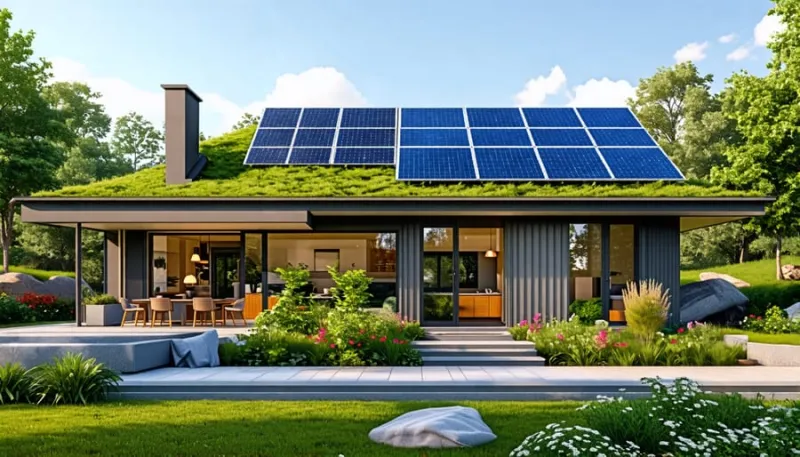
Within the first fifteen minutes, we are tracking the sun. Where does morning light land in January, when it is low and welcome? Where does the afternoon sun beat down in August, when shade is worth more than square footage? On this particular site, a stand of mature oaks along the southern boundary cast useful afternoon shadow, while the eastern lawn — open and unobstructed — was the obvious home for the primary living spaces.
Solar orientation is the closest thing architecture has to free money. A building that faces its windows thoughtfully will cost its owners less to heat, cool, and light for the next fifty years. No material upgrade can fully compensate for a structure pointed the wrong way.
Water Tells the Truth
Drainage is the site's autobiography. Bare ground, silt fans, eroded channels, and the lean of established vegetation all reveal where water travels during a storm — information no topographic map conveys as honestly as standing in the yard after a rain.
On this visit, a subtle swale bisected the building area, invisible on paper but unmistakable underfoot. Catching it early changed everything: the house shifted twelve feet east, the garage became a buffer at the low point, and a future homeowner was spared a chronic wet basement. Water always wins eventually. The only question is whether the design acknowledges that or fights it.
Neighbors and Context
Every site is in conversation with its surroundings. We note sightlines toward neighboring structures, the rhythm of rooflines along the street, prevailing wind, ambient noise from a nearby thoroughfare, and the location of the utility easements that will quietly constrain the buildable envelope.
Context is not a limitation; it is raw material. A design that ignores its neighbors reads as an imposition. One that responds to them — turning a window away from a view of an adjacent roof, orienting a porch toward the evening breeze the neighbor's tree line protects — feels as though it has always belonged.
What the Client Sees
We invite clients on this first walk whenever possible, because their reactions are data. Where they linger, what they photograph, the spot where they instinctively say "it's beautiful from here" — those moments reveal the values the final design must protect.
By the end of the hour, we have typically filled a notebook: sun angles, drainage observations, view corridors, access points, and a rough sense of where the building wants to sit. Nothing has been drawn. Everything has been decided, in outline.
The Discipline of Looking First
There is a temptation in our profession to arrive with ideas. Resist it. The site visit is not a formality preceding design — it is design, in its most honest form. Buildings that endure, that feel inevitable rather than imposed, begin with an architect standing quietly on the ground, paying attention.
If you are considering a project, ask any firm you interview how they approach the first site visit. The answer will tell you a great deal about the building you will eventually receive.