Standard Issue: Where Stock Dimensions Beat Bespoke Work
There is a persistent assumption in American residential design that custom means better. Custom cabinets, custom doors, custom windows, custom tile. Each choice is presented as a mark of quality, and each choice adds cost, lead time, and a future repair problem. Sometimes that trade is worth it. Often it is not.
The argument here is not against craft. It is against customizing the wrong things. Standard dimensions are not a compromise with design. They are a discipline that can buy durability, repairability, and a healthier budget.
The Case Against Bespoke Everything
A bespoke object is designed for one condition. That is its strength and its weakness. When the condition changes, the object may become impossible to match, replace, or extend. A stock cabinet run can be added to. A standard door can be replaced on a Saturday. A modular tile field can be repaired without chasing a discontinued dye lot. These are not glamorous virtues, but they are the virtues that keep a house working.
Custom work also concentrates risk. If a single trade makes a mistake on a bespoke piece, the correction may affect the entire room. With standard components, errors are easier to isolate and correct. The budget is not merely lower at the start. It is more predictable at every stage.
Where Stock Sizes Win
Kitchen and Bath Cabinets
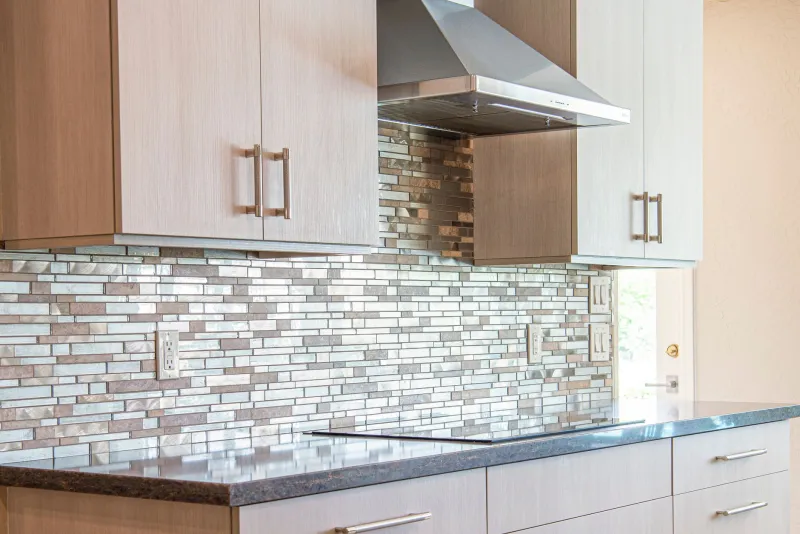
Stock cabinet sizes are built around a rational set of dimensions. They allow for replacement doors, matching finishes, and future additions. In most kitchens, a well-planned stock layout will outperform a fully custom layout in cost and serviceability. The money saved can go into better hardware, a better countertop, or better lighting.
Custom cabinets earn their cost in awkward rooms, historic conditions, and precise ergonomic needs. They do not earn their cost simply because the room is important. Importance is not a dimension.
Doors and Trim
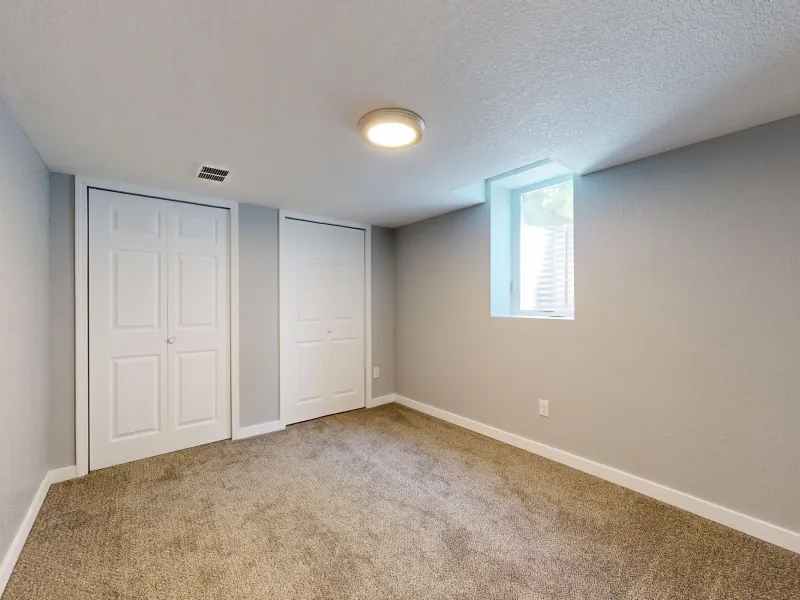
Standard door widths and heights are not arbitrary. They are the basis of a supply chain that allows a homeowner to replace a damaged door without rebuilding a wall. Custom doors can be beautiful, but they should be reserved for focal locations or conditions that genuinely require them. A house full of custom doors is a house full of future delays.
Tile
A modular tile grid is easier to install, easier to repair, and easier to extend. It also tends to produce calmer rooms. The alternative, a bespoke pattern with many cuts and a unique layout, can be striking, but it often requires excess material, specialized labor, and careful documentation for future repairs.
If a special tile is used, buy attic stock. If a standard tile is used, the attic stock is the local supplier. That is a meaningful difference in long-term value.
Windows
Ordinary window units are manufactured in standard sizes and tested as systems. Special-order windows can be necessary, especially in renovation, but they introduce lead time and cost. A design that works with standard units where possible will usually be easier to weatherproof, easier to screen, and easier to replace.
The Hidden Costs of Custom
The purchase price is only the first cost. Custom work also carries design time, shop drawing review, longer lead times, and a smaller pool of tradespeople who can service it. When something fails, the replacement may require a new template, a new finish match, or a new fabricator.
There is also a visual cost. A room composed entirely of bespoke elements can become restless. Standard dimensions provide a quiet rhythm. They allow the exceptional elements to stand out.
Where Custom Earns Its Keep
Custom work is justified when it solves a problem that standard dimensions cannot.
- A historic house with nonstandard openings and trim profiles.
- A kitchen with an awkward corner that would otherwise become dead space.
- An ergonomic requirement, such as a lowered counter or a specific work height.
- A built-in that must fit a precise alcove or conceal mechanical equipment.
- A focal piece, such as a stair rail or a front door, where craft is part of the architectural idea.
In these cases, custom is not decoration. It is a response to a real condition. The distinction matters. Custom should be a solution, not a default.
A Budget Rule of Thumb
Spend custom money where the hand touches the building and where the condition is genuinely unusual. Use standard dimensions where the eye reads rhythm and the future reads repair. That usually means standard cabinets, standard doors, standard tile modules, and standard windows, with custom work concentrated at the entry, the stair, the kitchen focal wall, or a single piece of built-in furniture.
This is not a rule against beauty. It is a rule for allocating beauty. A room with ordinary dimensions and one extraordinary element often feels more considered than a room where everything has been specially made and nothing has been prioritized.
Standard Is Not Generic
Standard dimensions do not produce generic rooms. Generic rooms come from indifference, not from stock sizes. A standard cabinet can sit beneath a beautiful counter. A standard door can be set in a carefully detailed opening. A modular tile field can be paired with an unusual color or a precise layout.
The homeowner's advantage is not the ability to customize everything. It is the ability to choose where customization matters. Standard dimensions buy durability, repairability, and budget. Custom work buys specificity. A good house needs both, but not in the same proportion everywhere.
Before specifying a bespoke element, ask a plain question: will this still be the right choice when it needs repair? If the answer is no, standard may be the more architectural decision.